The right desert plants turn a yard into a landscape. A specimen saguaro, a cluster of ocotillo, sculptural agave and flowering desert shrubs give a Sonoran yard structure, color and a genuine sense of place, and, chosen well, they do it on very little water.
But desert plants are unforgiving of poor placement and planting. A saguaro set in a caliche bathtub rots at the base; an ocotillo that never took because it was planted too deep or watered wrong just sits, leafless, for a year; a beautiful agave dies against a reflective wall it was never suited to. Success is about matching the plant to the microclimate and getting it into the ground correctly.
Ecosphere Landscaping sources and installs native cacti and desert botanicals across Mesa and the East Valley. We handle everything from a single specimen saguaro to a full planting plan, with the soil prep, drainage and drip that let each plant establish.

Common desert planting problems
- Cacti rotting at the base from poor drainage or a caliche bathtub
- New plants that never established and just sit or slowly decline
- Drought-tolerant plants fried against a west-facing reflective wall
- Plants spaced for their day-one size, then crowded as they mature
- Yellowing leaves from alkaline soil and iron chlorosis
- A yard of rock with no plant structure or seasonal color
- Uncertainty about permits for moving or buying protected cacti
Right plant, right place
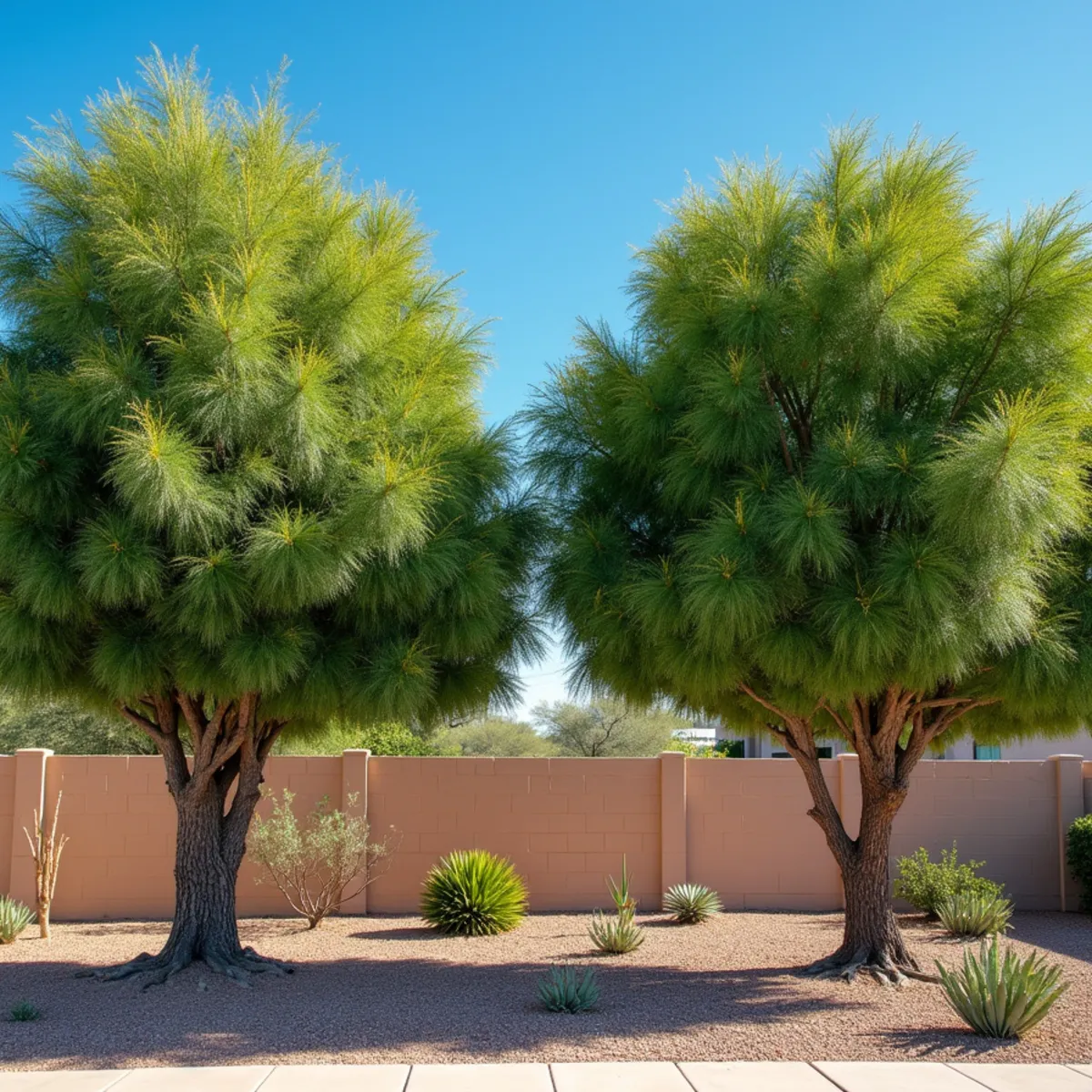
The single biggest factor in whether a desert plant thrives is placement. A plant that tolerates drought can still fail beside a west-facing wall that radiates heat all evening, in compacted clay, or in a low spot that holds stormwater. We plan for the mature plant, not the nursery size, so an agave has room to spread and a shade tree is not planted where it will crowd the house in five years. Choosing between shade trees is its own decision, covered in our comparison of palo verde vs. velvet mesquite.
Beating alkaline soil and chlorosis
Mesa soils run alkaline, often above pH 8.0, which can lock out iron and other micronutrients and turn plant leaves yellow, a condition called iron chlorosis. Salt buildup from tap water compounds it. We select species suited to alkaline ground, prepare the soil appropriately and set irrigation to flush salts, and our guide on why desert plants turn yellow covers diagnosis and treatment. Good planting works hand in hand with the right drip irrigation delivering water to the root zone.
| Plant | Type | Landscape role |
|---|---|---|
| Saguaro | Columnar cactus | Iconic specimen focal point |
| Ocotillo | Desert shrub | Vertical accent, spring bloom |
| Agave | Succulent | Sculptural structure, borders |
| Palo verde | Shade tree | Canopy and gold spring flower |
| Desert accents (lantana, ruellia) | Flowering shrubs | Color and low-water fill |
From single specimen to full plan
Whether you want one dramatic saguaro placed just right or a complete planting scheme, the fundamentals are the same: quality stock, correct siting, proper soil and drainage, and an establishment plan. Getting a large specimen into caliche-bound ground draws on our caliche soil breaking and trenching crew, and a full planting plan is usually part of a broader desert landscape design. Well-placed plants are also what your evening lighting will eventually showcase.
- Specimen saguaro and large cactus sourcing and placement
- Ocotillo, agave, yucca and barrel cactus plantings
- Desert shade trees and flowering accent shrubs
- Soil prep, drainage and drip for reliable establishment
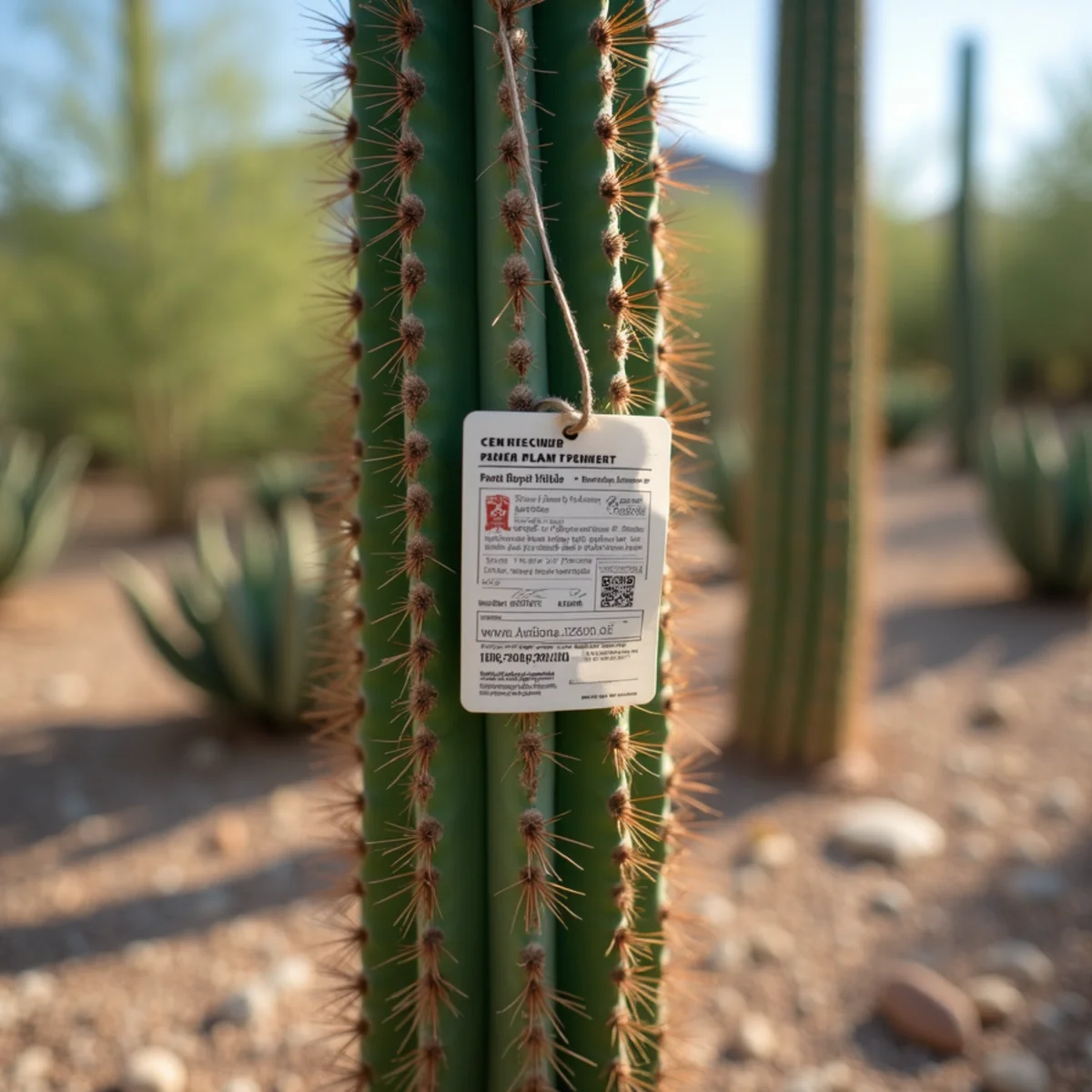
- Legally sourced, properly tagged native plant stock
How we deliver cacti & desert plantings
- 1
Design the palette
We select species matched to each spot's sun, reflected heat, drainage and mature size, grouping plants with similar water needs.
- 2
Source quality stock
We source healthy specimens from reputable growers and, for protected native plants, ensure proper tagging and legal provenance.
- 3
Prepare the planting site
We break caliche, oversize the hole, add drainage where needed and blend backfill for the fast drainage desert roots require.
- 4
Plant correctly
We set each plant at the right depth and orientation, bracing large specimens like saguaros so they anchor while roots take hold.
- 5
Establish with drip
We tie plants into appropriate drip zones and set an establishment watering schedule that eases off as roots develop.
- 6
Handoff care
We give you clear guidance on watering, frost protection and what to expect as each species settles in.
What affects the cost
Every desert yard is different, so we quote from an on-site assessment — never a one-size total. These are the main factors that move your estimate:
- Size and rarity of the specimens, especially large saguaros
- Number of plants and the complexity of the planting plan
- Soil and caliche prep, plus drainage each planting hole needs
- Craning or special handling for heavy specimens
- Drip irrigation additions or modifications for the new plants
- Sourcing and any permitting for protected native species
- Access for delivery and equipment to the planting area
Why Mesa homeowners choose Ecosphere for cacti & desert plantings
We're a locally owned, licensed and insured Arizona ROC contractor that has served the East Valley since 2017. The person who walks your yard is accountable for the crew that finishes it — no call centers, no out-of-town subs.
- 9+ years in the East Valley
- Licensed & insured
- Free estimates
- 24/7 emergency response