F: Permits & Regulations
Arizona Native Plant Law: Permits for Moving Saguaros and Ocotillos
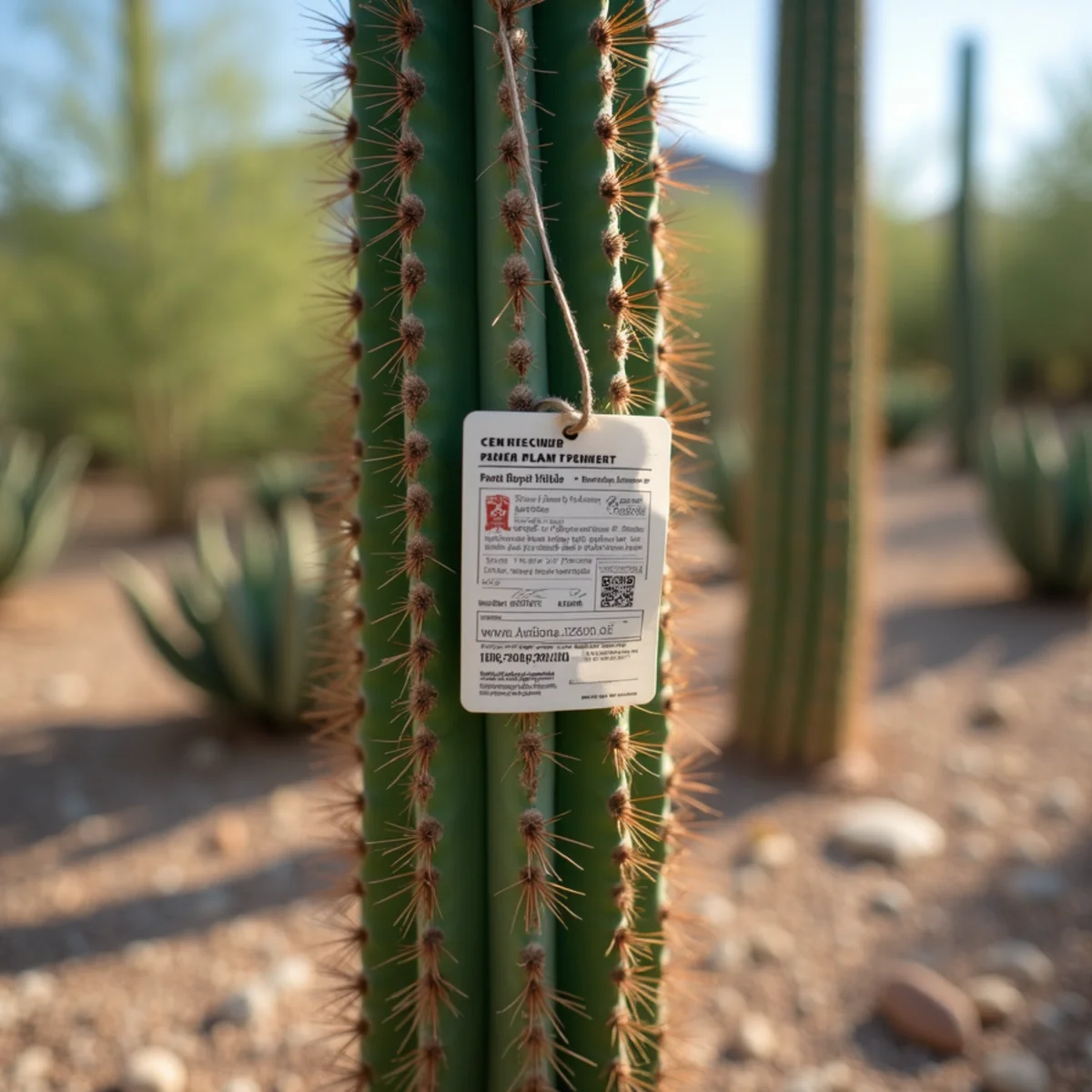
Saguaros and ocotillos are protected under Arizona law, and moving one without a permit is illegal. Here is what the Native Plant Law requires before you dig.
That saguaro in your yard is not just a plant — it is a legally protected native, and moving, removing, or destroying one without following the rules can bring serious penalties. Arizona's Native Plant Law protects saguaros, ocotillos, and many other desert species, and it applies to homeowners, not just developers. Before you transplant, relocate, or remove a protected plant, here is what the law requires. This is a general overview to help you plan; always verify current requirements with the Arizona Department of Agriculture.
Overview of the Arizona Department of Agriculture Native Plant Law
The Arizona Native Plant Law is administered by the Arizona Department of Agriculture and protects a wide range of native desert plants from unregulated harvest, transport, and destruction. The core principle is that these plants belong to the state's natural heritage, and taking or destroying them — even on private land in many cases — requires notification, permits, and proper tagging. The law distinguishes between different levels of protection, and the requirements scale with how threatened or valued a species is.
Two points routinely surprise homeowners. First, the protection does not stop at the desert's edge — a saguaro that grew in your suburban backyard is just as protected as one out on state trust land. Second, the rules govern destruction as much as removal, so bulldozing or burying a protected plant during a remodel can be a violation even if you never intended to sell or move it. When in doubt, the safe assumption is that any mature native cactus or desert tree on your property may be regulated, and a quick check before you act costs nothing.
Protected Plant Classes: Highly Safeguarded vs Salvage Restricted
The law sorts native plants into categories that carry different obligations. In broad terms:
- Highly Safeguarded: The most strictly protected species, which are extremely limited in numbers and cannot be taken from the wild without special allowance.
- Salvage Restricted: Species like the saguaro and many other cacti that can be moved or salvaged only with the required permits and tags.
- Salvage Assessed and Harvest Restricted: Categories covering additional species, including certain trees and other desert plants, each with its own notification and permitting rules.
The saguaro and ocotillo both fall under protected classes, which is why you cannot simply dig one up and haul it off, whether you are clearing land or relocating a plant within your own property.
Other familiar desert plants carry protection under the law as well, including species of barrel cactus, agave, native trees like ironwood, and various yuccas and ocotillo relatives. The specific obligations differ by category and can change, so the practical rule for a homeowner is not to memorize the list but to check before disturbing any established native plant. A quick verification with the Arizona Department of Agriculture, or with a professional who works within these rules daily, turns a potential violation into a simple, documented step.
Permits and Blue Seals Required to Transport Mature Saguaros
To legally move or transport a protected plant like a mature saguaro, the plant generally must be permitted and tagged. The Department of Agriculture issues permits and the plant is marked with an official tag or seal that travels with it, documenting that it was obtained and moved legally. Transporting a saguaro without that documentation is where people get into trouble — a plant on a trailer without a valid tag is a red flag to authorities. If you are removing native plants from land or moving them, notification to the department is typically required before the work begins.
The physical side is just as demanding as the paperwork. A mature saguaro can weigh several thousand pounds, stores enormous amounts of water, and is easily damaged in ways that lead to rot months later. Proper relocation involves marking the plant's original orientation to the sun so it can be replanted facing the same way, avoiding sunburn on the newly exposed side, protecting the skin from bruising, and giving the roots time to callus before replanting and before the first watering. It is precise, heavy, hazardous work that pairs a permit with genuine horticultural skill.
Timing matters too. Transplanting a saguaro in the brutal heat of midsummer, or into cold winter ground, stacks the odds against survival; the milder shoulder seasons give the plant the best chance to re-establish. And the newly moved cactus needs staking and support until its roots regrow enough to anchor its considerable weight, which can take a year or more. Rushing any of these steps is how a legally permitted, expensive relocation still ends in a slow, avoidable death — the permit is necessary, but it is not sufficient on its own.
Severe Criminal Penalties for Illegal Cactus Harvesting or Destruction
Arizona takes cactus theft and destruction seriously. Illegally harvesting, damaging, or destroying protected native plants can carry significant fines and, in serious cases, criminal charges. Cactus rustling — stealing saguaros for resale — is prosecuted, and homeowners who bulldoze or remove protected plants without following the law can face penalties too. The cost of doing it wrong far exceeds the cost of doing it right, which is why professional relocation and sourcing is not just convenient but genuinely protective.
Beyond state penalties, an unpermitted removal can create headaches with your own project. If a plant's provenance cannot be documented, you may be unable to legally move it again, sell the property with it in place without questions, or use it to satisfy an HOA or municipal landscaping requirement. Keeping the paperwork clean from the outset protects the value of a specimen that, in the case of a large saguaro, can be worth thousands of dollars in its own right.
Proper Tagging When Purchasing Desert Botanicals from Certified Nurseries
When you buy a saguaro, ocotillo, or other protected plant, the same principle protects you: reputable, certified nurseries provide plants that are properly tagged and documented as legally salvaged or nursery-grown. That tag is your proof that the plant entered the trade legally and can be planted and, if needed, moved again. Buying from an unverified source risks acquiring a stolen or illegally harvested plant — and the liability that comes with it. Insist on documentation, and keep it.
A little buyer's caution goes a long way. Be wary of a mature saguaro offered at a suspiciously low price, sold off the back of a truck, or lacking any tag or paperwork — those are classic signs of a poached plant, and the buyer can inherit the legal exposure. With ocotillos in particular, ask whether the plant is a live, rooted specimen or a bare cane, since bare-root ocotillos are frequently sold with poor survival rates and murky origins. A certified nursery will happily show provenance; a seller who bristles at the question is telling you something.
Let Ecosphere Legally Source, Permit, and Plant Native Desert Cacti
Handling protected plants correctly takes knowledge of the law and the right equipment to move heavy, spiny specimens without damaging them or yourself. Our native cacti and desert botanical plantings service sources properly tagged, legally obtained plants and installs them to thrive, and when a protected plant must be relocated or a dead, hazardous one removed, our leaning desert tree removal crew has the equipment to do it safely. We serve Mesa, Scottsdale, and Cave Creek.
Ecosphere Landscaping is a locally owned, licensed, and insured family business founded in 2017. If you have a saguaro or ocotillo to move, source, or work around, call us at (323) 606-0255 so it is done legally and safely.
Talk to a local desert landscaping expert
Serving Mesa & the East Valley since 2017. Get honest, itemized pricing and water-smart advice for your specific yard.
Frequently asked questions
Generally yes. Saguaros are a protected, salvage-restricted species under the Arizona Native Plant Law, and moving or transporting one typically requires a permit and an official tag from the Arizona Department of Agriculture.
It can be. Protected native plants like saguaros are regulated even on private land, and removing or destroying them often requires notification and permits. Verify the current requirements with the Department of Agriculture before acting.
Illegally harvesting, damaging, or destroying protected native plants can bring significant fines and, in serious cases, criminal charges. Cactus theft is actively prosecuted in Arizona.
The official Department of Agriculture tag or seal documents that the plant was legally obtained and moved. It is your proof of legal acquisition, so never buy or accept a mature protected plant without it.
Buy from reputable, certified nurseries that provide properly tagged, documented plants, and keep that documentation. An unverified source risks a stolen or illegally harvested plant and the liability that comes with it.
Related services & areas
Service areas