F: Permits & Regulations
East Valley HOA Xeriscape Rules: What Associations Can & Cannot Ban
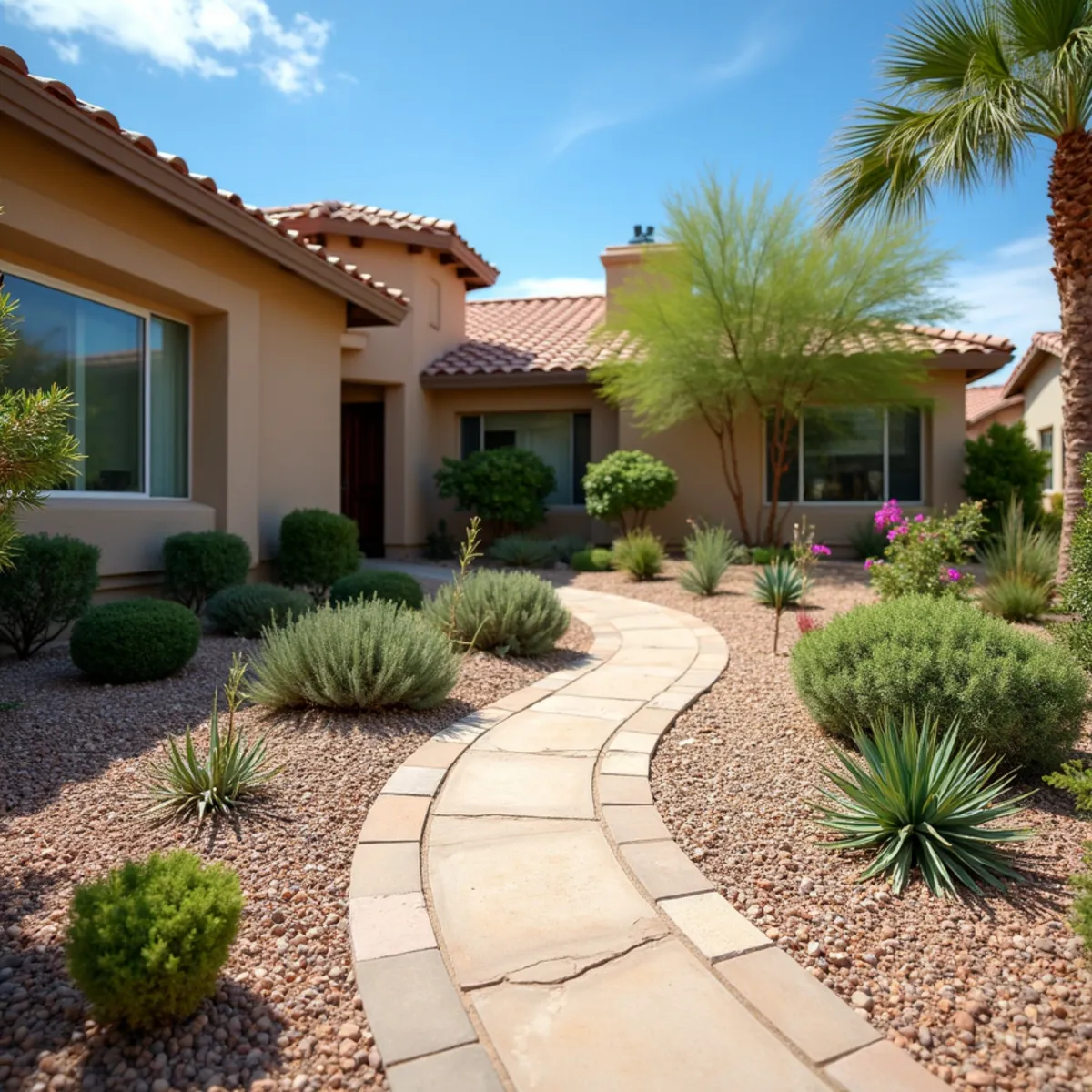
Your HOA cannot simply force you to keep a thirsty lawn. Arizona law protects desert landscaping, but the details matter. Here is what associations can and cannot do.
Homeowners across the East Valley want to convert thirsty grass to low-water desert landscaping, and just as often they hear that their HOA will not allow it. The reality is more encouraging than the rumor: Arizona law protects your right to xeriscape, though your association still has a legitimate role in how it looks. Knowing exactly where that line falls lets you modernize your yard with confidence instead of fear of a fine. This is a general guide, not legal advice — verify your specifics with your CC&Rs and, where needed, an attorney.
Arizona Revised Statutes (ARS § 33-1808): Protecting Low-Water Landscaping
The key law is ARS §33-1808, which limits how a homeowners association can regulate landscaping. In broad terms, it prevents an HOA from prohibiting the use of low-water-use, drought-tolerant, or xeriscape landscaping. The intent is straightforward: in a desert state facing long-term water challenges, associations should not be able to force residents to maintain water-hungry lawns purely for uniform appearance. That statutory protection is the foundation of your right to convert — but, importantly, it protects the type of landscaping, not every design choice within it.
The statute has evolved over time, and the practical effect is that an association's governing documents cannot be used to flatly ban desert landscaping. If your CC&Rs still contain old language requiring grass or forbidding xeriscape, that language is generally unenforceable to the extent it conflicts with state law. That said, statutes get amended and courts interpret them, so for a high-stakes dispute it is worth reading the current text of ARS §33-1808 and, if needed, getting advice from an attorney who handles Arizona HOA matters rather than relying on a summary.
Can Your HOA Force You to Keep Thirsty Bermuda Grass?
Generally, no. Because ARS §33-1808 protects low-water landscaping, an association typically cannot compel you to install or maintain a traditional grass lawn or forbid a desert conversion as a category. What it can do is require that your specific plan meet the community's reasonable, evenly applied design standards. So the answer to 'can they force me to keep my Bermuda?' is usually no — but the answer to 'can they have a say in what replaces it?' is usually yes.
This distinction trips up both sides. Some homeowners assume the statute lets them do anything they like the moment they call it xeriscape, and some boards assume a decades-old grass requirement in the CC&Rs still binds. Both are wrong. The law protects your right to convert to desert landscaping, and the HOA retains authority over the aesthetic details of how that conversion looks. Once everyone understands where that line sits, most disputes evaporate, because there is a clear, workable path that satisfies the statute and the committee at the same time.
Architectural Review Committee (ARC) Approval Protocols for Rock Colors
This is where most conversions actually live or die. Your association's architectural review committee (ARC) almost certainly requires you to submit a plan and get written approval before you start, and it can set standards for things like rock color, plant selection, hardscape materials, and overall design so the neighborhood stays cohesive. These standards are enforceable as long as they are reasonable and applied consistently to everyone. The mistake homeowners make is skipping the submission and starting work — that is how you end up with a violation notice even for landscaping the law otherwise protects.
The word 'reasonable' does real work here. An ARC can require a specific palette of earth-tone rock to match the neighborhood, but a rule that effectively made any xeriscape impossible would likely run afoul of the statute. Committees also generally must respond within the timeframe their own documents specify, and they cannot single you out for a standard they ignore for your neighbors. If a denial feels arbitrary, ask for the specific guideline it rests on in writing — a committee that cannot cite one is on shaky ground.
Approach the committee as a partner rather than an adversary and the process usually goes smoothly. Reviewing the design guidelines before you design, matching your plan to them where you reasonably can, and submitting a complete, professional package signals that you respect the community's standards. Most volunteer boards are not looking for a fight; they are trying to keep the neighborhood cohesive and are relieved when a homeowner hands them a clear plan they can approve with confidence. Save the statute for a genuine impasse, not the opening conversation.
Approved Plant Palette Submission: Navigating HOA Guidelines
A strong submission makes approval smooth. Most ARCs want to see a clear plan showing plant species and placement, rock type and color, any hardscape, and how the design fits the community's guidelines. Choosing plants from desert-adapted palettes that also satisfy municipal and rebate requirements lets a single design clear the city, the water utility, and the HOA at once. A vague or hand-drawn plan invites questions and delay; a complete, professional package tends to get approved quickly because the committee can see exactly what it is signing off on.
It also helps to design with the neighborhood's character in mind rather than against it. Committees approve plans that clearly respect the community's established look far more readily than ones that feel like an outlier, so echoing common rock tones, keeping mature plant sizes in scale with the lot, and maintaining tidy, defined bed lines all smooth the path. You can still have a distinctive, water-wise yard; presenting it as a considered fit for the street rather than a rebellion against it is simply good strategy.
- A dimensioned plan showing plant locations and mature sizes.
- A specified plant palette, ideally desert-adapted and low-water.
- Rock type, size, and color, with samples where the ARC requests them.
- Hardscape details for any patios, borders, or pathways.
- Notes on how the plan meets the community's stated guidelines.
Avoiding Hefty Fines While Modernizing Your Curb Appeal
The fastest way to turn a water-saving upgrade into a headache is to skip the process. Starting without approval, using a non-approved rock color, or ignoring a plant-density guideline can trigger fines and demands to redo the work — even when your right to xeriscape is protected. The protection under ARS §33-1808 is real, but it works best alongside a clean, approved submission, not instead of one. Do it in the right order and you get the modern, low-water yard you want with no drama from the board.
It also helps to keep good records. Save your submitted plan, the written approval, and any correspondence with the committee, and take dated photos before and after the work. If a new board member questions your yard two years later, that file settles the matter in minutes. Homeowners who treat the approval as a one-time hurdle and toss the paperwork are the ones who end up re-litigating a project they already won.
Ecosphere Prepares Complete HOA Landscape Submission Packets
We do this constantly, and we know what East Valley ARCs want to see. Our desert landscape design and xeriscaping team produces complete, submission-ready plans, and our turf-to-xeriscape rebate conversion service aligns your project with both HOA approval and available water rebates so nothing is left on the table. We prepare packets and complete conversions across Mesa, Gilbert, and Chandler.
Ecosphere Landscaping is a locally owned, licensed, and insured family business founded in 2017. If your HOA is standing between you and a low-water yard, call us at (323) 606-0255 and we will prepare a submission that respects your rights and clears the committee.
Talk to a local desert landscaping expert
Serving Mesa & the East Valley since 2017. Get honest, itemized pricing and water-smart advice for your specific yard.
Frequently asked questions
Generally no. ARS §33-1808 prevents a homeowners association from prohibiting low-water, drought-tolerant, or xeriscape landscaping. The HOA can still review designs and set reasonable, consistently applied aesthetic standards.
Typically not. Because the law protects low-water landscaping, an association usually cannot force you to install or maintain a traditional lawn or forbid a desert conversion as a category, though it can weigh in on the specific design.
Almost always yes. Your architectural review committee generally requires a submitted plan and written approval before work begins, and it can set enforceable standards for rock color, plant selection, and materials.
A dimensioned plan with plant locations and mature sizes, a specified low-water plant palette, rock type and color, hardscape details, and notes showing how the design meets the community's guidelines. A complete packet gets approved faster.
You can face fines or demands to redo the work even for protected landscaping, if you skipped approval or used a non-approved rock color or plant. Submitting and getting written approval first avoids that.
Related services & areas
Service areas