F: Permits & Regulations
Mesa Landscape Ordinance: Grass Limitations & Water Rebate Rules
Mesa's landscape rules and water rebates reward converting grass to desert plants, but the details matter. Here is a plain-English guide to staying compliant and getting paid.
Arizona cities are steadily tightening the rules on turf while paying homeowners to switch to desert landscaping, and Mesa is part of that shift. If you are planning a front-yard makeover or a full conversion, it pays to understand the ordinance framework and the rebate process before you dig. This is a plain-English overview to help you plan a compliant project — but codes and rebate terms change, so always verify the current specifics directly with the City of Mesa before you commit.
Understanding the City of Mesa Non-Functional Turf Ban
Across the Phoenix metro, the policy trend is to discourage or restrict 'non-functional turf' — decorative grass in places nobody actually uses, such as street medians, commercial frontages, and ornamental strips that exist only to be looked at and watered. Functional turf, the kind families and pets genuinely use, is treated differently from purely decorative grass. If you are a homeowner, the practical takeaway is that removing decorative, unused grass aligns with where the rules are heading and is exactly the kind of conversion the rebate is designed to reward. Check how Mesa currently defines and regulates non-functional turf for your property type.
Why is this happening now? Mesa, like every Valley city, draws heavily on the Colorado River and groundwater, both under long-term pressure, and outdoor irrigation is the single largest slice of residential water use. Reducing decorative grass is one of the highest-impact, lowest-pain conservation moves a city can encourage, which is why the carrot (rebates) and the stick (turf limits, mostly aimed at new development and commercial sites so far) are both pointed in the same direction. For an existing homeowner, none of this forces your hand, but it does mean converting now captures incentives that may tighten later.
Percentage Caps on Natural Lawn for Single-Family Residential Lots
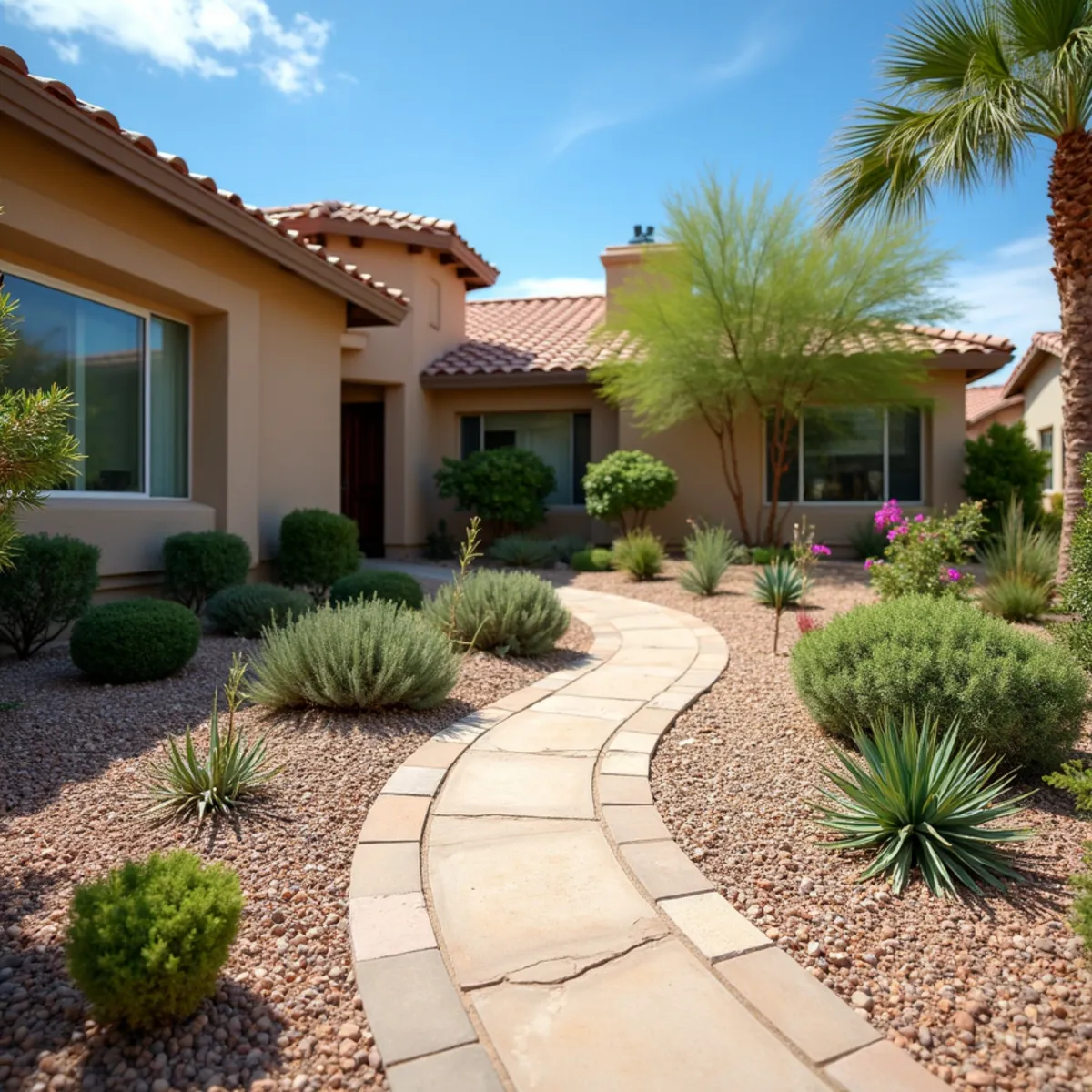
Many desert municipalities cap how much of a lot's landscaped area can be living grass, especially for new construction and new landscape installations, and often require a minimum share of drought-tolerant plantings. For an existing single-family home, a voluntary conversion to xeriscape almost always moves you in the compliant direction rather than against it. If you are building new or doing a major redo, confirm the current percentage limits and plant-coverage requirements that apply to your lot so your design is approved the first time.
These caps are usually written in terms of the landscaped area, not the whole lot, and they frequently pair a maximum turf percentage with a minimum plant-coverage percentage so that a converted yard is genuinely landscaped rather than a field of bare gravel. That distinction catches people off guard: simply killing the grass and covering it in rock may not satisfy the ordinance or the rebate if it does not include enough living, approved plants at the required spacing. Designing to both numbers at once is the key to a plan that passes.
Water Utility Rebate Application Process and Verification Inspections
The Mesa grass-to-xeriscape rebate can reach up to $2,100 for qualifying conversions, and it typically follows a defined process. The exact amount usually scales with the square footage of grass you convert, up to the program cap, so a larger qualifying conversion captures more of the rebate. Understanding the sequence up front prevents the most common reason applications get denied: doing the work before you are approved.
- 1Pre-application: Apply and get approval before you remove any grass — pre-inspection of the existing lawn is usually required.
- 2Meet the design requirements: Conversions generally must hit a minimum converted square footage, install qualifying drought-tolerant plants at a required density, and cover exposed soil appropriately.
- 3Complete the conversion: Remove the grass and install the approved plants, rock, and often an efficient drip system within the program's timeframe.
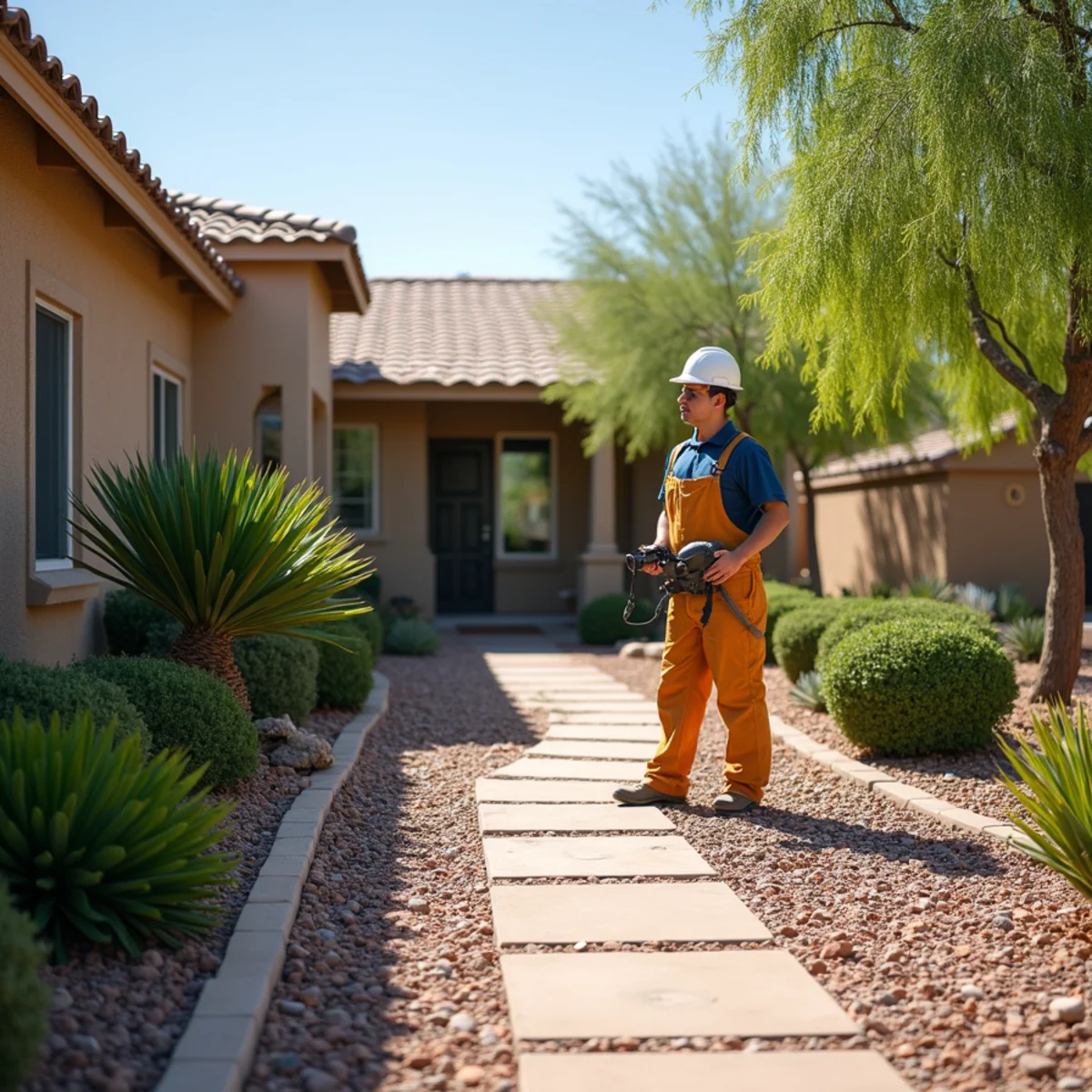
- 4Post-inspection: The utility verifies the finished project against the requirements before issuing the rebate.
Because the process hinges on two inspections, documentation is your friend throughout. Keep your approval letter, photos of the lawn before removal, receipts, and a copy of the approved plan, and schedule the post-inspection promptly once the work is done so you do not bump against the program's completion deadline. Most denials trace back to one of three things: starting before approval, missing the plant-density or square-footage minimums, or letting the deadline lapse. Each is entirely avoidable with a little organization at the front end.
Approved Drought-Tolerant Plant Lists for Mesa Homeowners
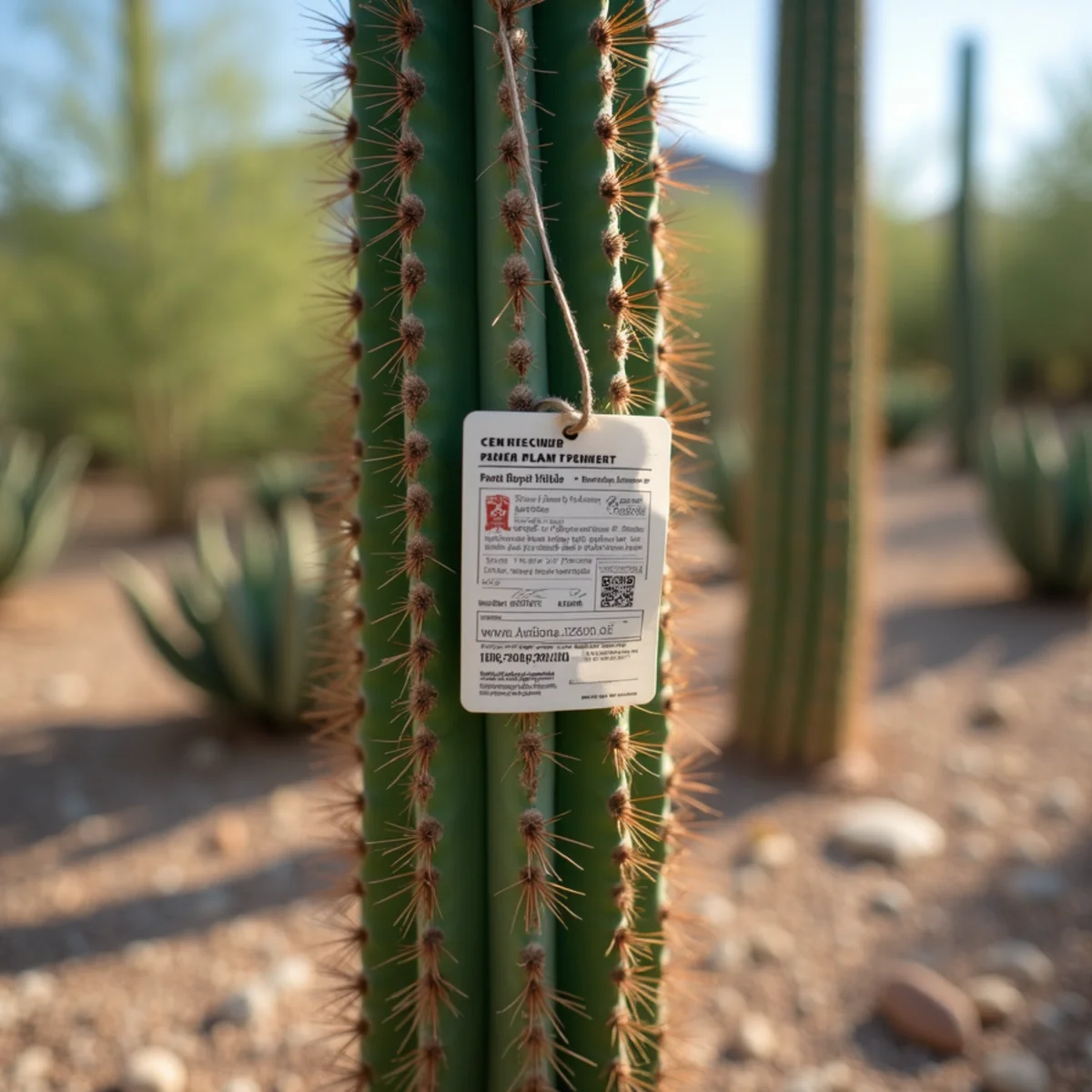
Rebate programs generally require that your new plants come from an approved low-water plant list and be installed at a minimum density so the yard is genuinely landscaped, not just graveled over. These lists favor Sonoran natives and proven desert-adapted species — think palo verde, mesquite, desert willow, agave, and a range of accent shrubs and cacti. Meeting the density and plant-type requirements is where a design-first approach pays off, and it dovetails with resources like the University of Arizona Cooperative Extension and Smartscape plant guidance.
A practical bonus of designing to the approved list is that these plants are chosen for the climate, so they survive and look good with minimal water once established. It is a rare case where the compliant choice and the smart horticultural choice are the same. Programs also typically expect the plants to be watered by an efficient drip system rather than spray, both to qualify and to keep them alive, so budgeting for a proper drip zone as part of the conversion is wise from every angle.
HOA Compliance: When State Law Protects Your Right to Xeriscape
City rules are only half the picture — your HOA is the other. The good news is that Arizona Revised Statutes §33-1808 limits an HOA's ability to prohibit low-water, desert-adapted landscaping, so an association generally cannot force you to keep a thirsty lawn or ban xeriscaping outright. What an HOA can still do is require design review and approve specifics like plant palette and rock color. That means you often have to satisfy both the city rebate requirements and your HOA's architectural committee at once — which is very doable with a properly prepared submission.
Sequencing the two approvals saves grief. Because rebate programs usually demand pre-approval before you remove any grass, and HOAs usually demand written architectural approval before work begins, the smart order is to design once to satisfy both, submit to the HOA and the water utility in parallel, and only break ground when both have signed off in writing. Trying to chase the rebate first and the HOA later, or vice versa, is how homeowners end up redesigning mid-project or forfeiting one of the two. A single plan built to both rule sets is far less painful.
Work with Ecosphere for 100% Code-Compliant Turf Conversions
Navigating the ordinance, the rebate steps, the approved plant list, and the HOA review at the same time is exactly what we do. Our turf-to-xeriscape rebate conversion service manages the application sequence, designs to the plant-density requirements, and handles the removal and install, while our desert landscape design and xeriscaping team makes sure the finished yard looks as good as it is compliant. We serve Mesa, Gilbert, and Tempe.
Ecosphere Landscaping is a locally owned, licensed, and insured family business founded in 2017, based right here at 1112 W Birchwood Ave in Mesa. Call us at (323) 606-0255 and we will help you plan a conversion that clears the city, captures the rebate, and satisfies your HOA.
Talk to a local desert landscaping expert
Serving Mesa & the East Valley since 2017. Get honest, itemized pricing and water-smart advice for your specific yard.
Frequently asked questions
The Mesa rebate can reach up to $2,100 for qualifying conversions. Amounts and eligibility change over time, so verify the current terms directly with the City of Mesa before starting.
Yes. Rebate programs typically require a pre-application and pre-inspection of the existing lawn before removal. Ripping out the grass first is the most common reason applications are denied.
It refers to decorative grass in places nobody uses, such as medians, commercial frontages, and ornamental strips that exist only to be watered and looked at. Policy increasingly restricts it, unlike functional turf people actually use.
Arizona Revised Statutes §33-1808 limits an HOA from prohibiting low-water desert landscaping, so it generally cannot force you to keep a lawn. The HOA can still require design review and approve plant palette and rock color.
Programs generally require drought-tolerant plants from an approved list installed at a minimum density, favoring Sonoran natives and desert-adapted species. Confirm the current approved plant list and density with the city.
Related services & areas
Service areas